The Secrets Behind Facility 13's Immersive VR Mechanics


Exploring the Cutting-Edge VR Mechanics of Facility 13
Virtual Reality (VR) has become a revolutionary force in the gaming industry, with Facility 13 standing out as a prime example of how immersive these experiences can be. This game has captivated players with its intricate mechanics and engaging environments, pushing the boundaries of what's possible in VR.
At the heart of Facility 13's success is its sophisticated VR mechanics. From the moment players don their VR headsets, they are transported into a world that feels almost tangible. But what are the secrets behind these mesmerizing mechanics? Let's delve into the elements that make Facility 13 a standout in the VR realm.

Advanced Motion Tracking
One of the key components contributing to Facility 13's immersive experience is its advanced motion tracking system. Utilizing state-of-the-art sensors, the game can capture and replicate even the most subtle movements of the player. This precision allows for a seamless interaction with the game environment, enhancing the realism and depth of the experience.
The development team invested heavily in research to fine-tune this aspect, ensuring that every action, from picking up objects to navigating complex terrains, feels natural and intuitive. This dedication to detail truly sets Facility 13 apart from other VR games.
Dynamic Environment Interaction
Another secret to Facility 13's success is its dynamic environment interaction. The game world responds to the player's actions in real-time, creating a living, breathing environment. This is achieved through a combination of physics-based modeling and AI-driven responses, allowing the environment to adjust and adapt to the player's presence.
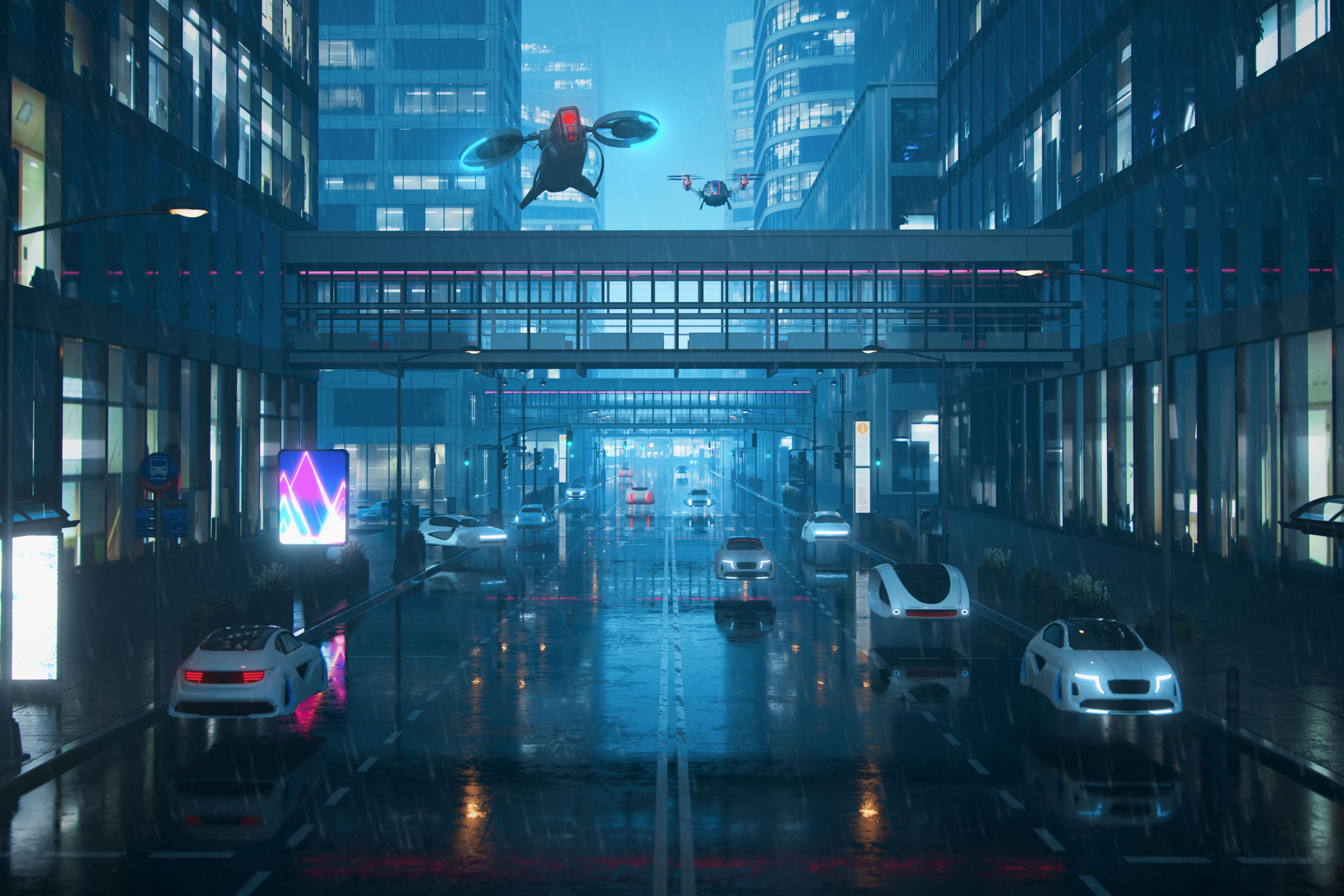
Players can manipulate objects, solve puzzles, and explore complex scenarios, all of which contribute to an immersive narrative that feels uniquely personal. This dynamic interaction keeps players engaged and invested in the storyline.
Immersive Audio Design
Sound plays a crucial role in enhancing the VR experience, and Facility 13 excels in this area with its immersive audio design. By employing 3D spatial audio technology, the game creates a soundscape that envelops the player, making every footstep, whisper, and ambient sound feel realistic.
- 3D spatial audio for a surround sound experience
- Adaptive soundscapes that react to player actions
- High-quality sound effects for realism
This meticulous attention to audio detail ensures that the player is fully absorbed in the game world, adding another layer of immersion that complements the visual and interactive elements.

Innovative Storytelling Techniques
Facility 13's storytelling is another area where it shines. The game employs innovative techniques to weave a narrative that unfolds organically as players progress. Through environmental storytelling, players are encouraged to explore and uncover the story at their own pace, making each playthrough a unique adventure.
The combination of visual cues, audio hints, and interactive elements creates a cohesive narrative that deeply engages players, drawing them further into the world of Facility 13.
Conclusion: A New Era in VR Gaming
Facility 13 represents a new era in VR gaming, where technology and creativity converge to create truly immersive experiences. Its advanced motion tracking, dynamic environment interaction, immersive audio, and innovative storytelling set a high standard for future VR games.
As the industry continues to evolve, Facility 13 serves as a benchmark for what's possible, inspiring developers and players alike to explore the endless possibilities of virtual reality.